Budget and prices
The total price of furniture: delivery, removal and the return
Headline prices hide delivery, old-furniture removal and return carriage. What UK rules require a seller to show, and what a £900 sofa really costs per year.
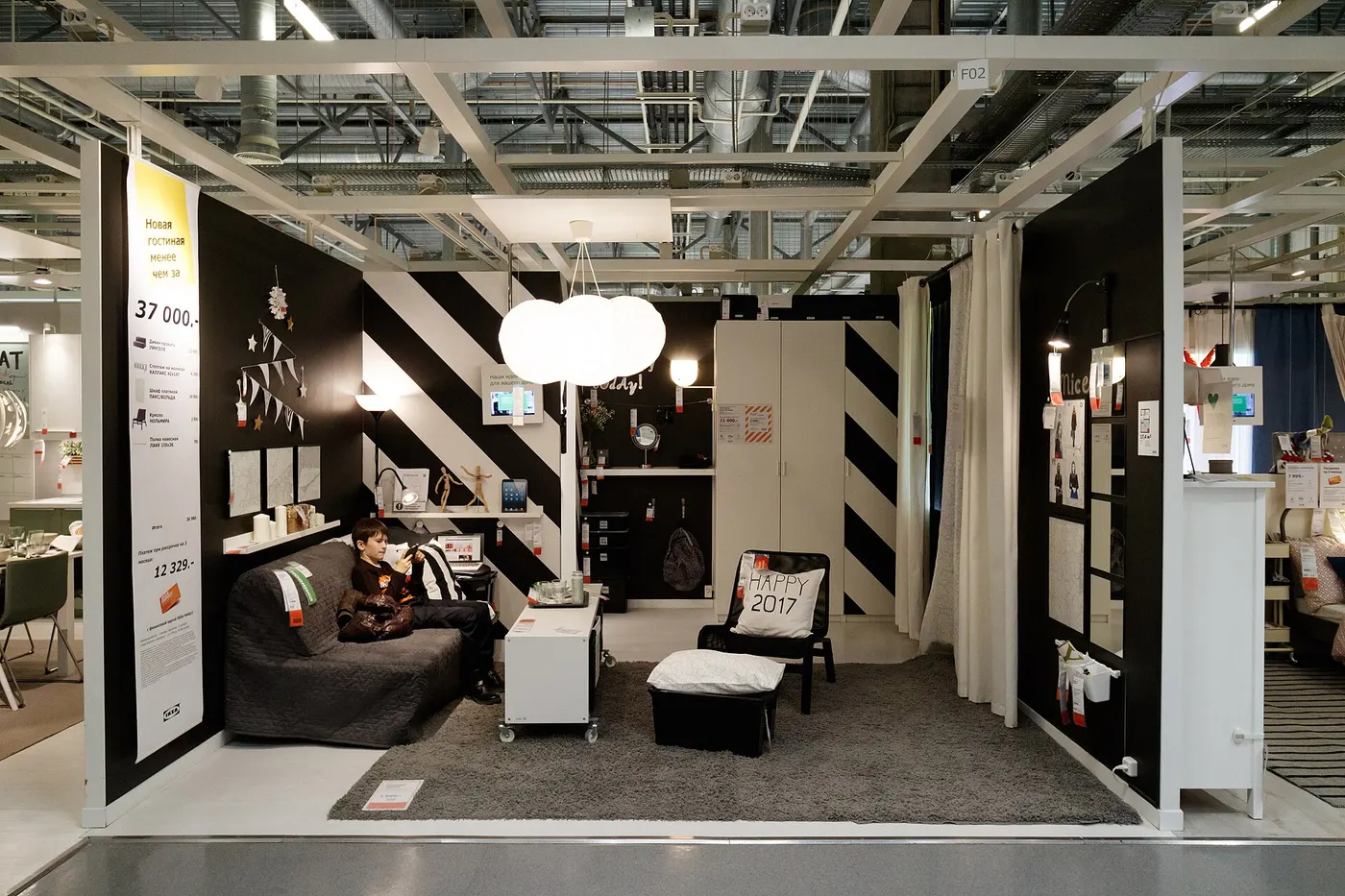
Furniture is one of the few categories where the extras are large enough to change the decision. Delivery to a room of your choice, taking the old sofa away, and the carriage if the new one goes back are each a real number, and none of them is on the product photograph.
This guide adds them up, sets out what United Kingdom rules now require a seller to show you up front, and converts the result into a cost per year. Example prices were checked on 2026-11-03 and no live prices are tracked on this site.
The headline price is not the total price
Since 6 April 2025, the Competition and Markets Authority's guidance on unfair commercial practices has required an invitation to purchase to give either the total price of the product — including any mandatory fees, taxes, charges or other payments the consumer must pay — or an explanation of how the price will be calculated where it cannot be determined in advance.
The same guidance treats drip pricing as a prohibited practice: showing an initial headline price that is not a total price and introducing additional mandatory charges as the buyer proceeds through the checkout. Advertising rules point the same way, with CAP Code rule 3.18 requiring quoted prices to include non-optional taxes, duties, fees and charges that apply to all or most buyers, and rule 3.19 requiring a marketing communication to make clear when a charge is excluded and to state how it is calculated.
For a consumer in the United Kingdom, that means the figure on the page already contains VAT at the standard rate of 20 percent. Delivery is the line that legitimately varies, because it depends on where you live and which service you pick, and rule 3.19 is the reason a good listing tells you how it will be worked out rather than leaving it until the final screen.
| Line | Example amount | Share of the headline price |
|---|---|---|
| Sofa, VAT at 20 percent included | £900.00 | — |
| Delivery to a room of your choice | £39.00 | 4.3 percent |
| Removal of the old sofa | £25.00 | 2.8 percent |
| Total paid | £964.00 | 7.1 percent added |
The percentages are each line divided by the £900 headline. Kerbside delivery is often free where a two-person service is not, which is the single largest controllable line here.
The three extras that actually appear
Delivery is the first, and it is usually tiered rather than flat: kerbside, to a ground-floor room, to a room of your choice upstairs, and assembly. The gap between the cheapest and the dearest tier on a sofa is commonly the price of a small chair, and for a flat with a narrow stair it is money well spent rather than an upsell.
Removal of the old piece is the second. An example £25 is 2.8 percent of a £900 purchase and compares favourably with a council bulky-waste collection or a trip to a household waste site with a car you have to borrow. Where a seller does not offer it, the cost does not vanish; it moves to a different week.
The third is assembly, which is free on most flat-pack and absent on most upholstery. Where it is charged it is worth pricing against your own Saturday honestly: a wardrobe that takes a professional 40 minutes takes an inexperienced pair most of a morning, and the error that cannot be undone is the back panel pinned on the wrong way round.
- Price the delivery tier you actually need: kerbside, ground floor, or a room of your choice
- Ask whether the service includes carrying up a stair and whether there is a turn limit
- Price old-furniture removal against a council collection before declining it
- Check whether assembly is included or charged, and for which items
- Add all of it to the headline before comparing two sellers

What a return costs when the thing is big
Two separate rights apply and they cost different amounts. Under section 22 of the Consumer Rights Act 2015, the short-term right to reject goods that do not conform runs to the end of 30 days beginning with the first day after ownership has transferred, the goods have been delivered and any installation has been completed. That is the route for a sofa in the wrong fabric or with a broken frame, and it is not the route for a sofa you have changed your mind about.
For a change of mind on a distance purchase, government guidance for sellers sets out 14 days from receipt to tell the seller you are cancelling, a further 14 days to send the item back, and 14 days from the seller receiving it for the refund. On a sofa, the return carriage within that second period frequently falls on the buyer, and it is the largest single cost of getting the decision wrong.
So the cheap insurance is measuring, not a warranty. Our measuring guide works through doorways and stair turns; the point here is purely financial, which is that a return on a £900 sofa can cost more than the delivery, the removal and the assembly put together.
| Situation | Which right | Time limit | Who normally pays the carriage |
|---|---|---|---|
| Faulty, not as described, or not fit for purpose | Short-term right to reject | 30 days from the day after delivery | The seller |
| Changed your mind, bought at a distance | Cancellation under distance selling rules | 14 days to cancel, 14 more to return | Commonly the buyer, on a large item |
| Changed your mind, bought in a shop | No statutory right; the seller's own policy | Whatever the policy says | Whatever the policy says |
The 14-day refund clock runs from the day the seller receives the item back, which is why a slow return also delays the money.
Buying from outside the United Kingdom
An overseas listing is quoted without the charges that land at the border. For goods sent to Great Britain, non-excise consignments worth £135 or less attract no customs duty, but above that value duty applies according to type and origin, and VAT applies as well. Goods received as gifts are exempt from VAT only up to £39.
Furniture is almost always above £135, which means the comparison you need is the overseas price plus duty, plus VAT at 20 percent, plus freight, plus whatever handling charge the carrier adds. A chair that looked £60 cheaper rarely still is.
There is a second cost that is harder to price. A piece built to another market's rules may not carry the permanent label that the Furniture and Furnishings (Fire) (Safety) Regulations 1988 require on upholstery supplied here, and a return journey back out of the country is not the fourteen-day exercise the domestic rules describe.
Turning the total into a cost per year
Once the extras are in, divide by the years. The example £964 over 10 years is £96.40 a year. Using the headline £900 instead gives £90 a year and understates the real figure by 7.1 percent, which is exactly the proportion the extras added.
Do the same for both options you are comparing and the ranking sometimes flips, because a seller with a higher headline and free delivery can end up cheaper per year than one with a low headline and a £39 charge. The cost-per-year calculator on this site takes the total rather than the headline for that reason, and it takes a resale figure if you expect the piece to be worth something when it goes.
Before you buy
- Write the headline price, then add delivery, removal and assembly before comparing sellers
- Choose the delivery tier that matches your stair and your doorway, not the cheapest one
- Price old-furniture removal against a council bulky-waste collection
- Note the delivery date, because the 30-day right to reject runs from the day after it
- Check the seller's published return carriage cost before ordering anything large
- For overseas orders, add duty, VAT at 20 percent, freight and carrier handling to the listing price
- Divide the total, not the headline, by the years you expect to keep the piece
Questions readers ask
- Should delivery be included in the advertised price?
- Where it is mandatory and applies to all or most buyers, yes. CMA guidance in force since 6 April 2025 requires a total price in an invitation to purchase and prohibits drip pricing. Where a charge genuinely cannot be calculated in advance, CAP Code rule 3.19 requires the communication to say it is excluded and explain how it is worked out.
- Is VAT already in the price I see?
- On consumer shelf prices in the United Kingdom, yes. The standard rate is 20 percent and applies to most goods, including furniture. CAP Code rule 3.18 requires quoted prices to include non-optional taxes, so a consumer-facing listing that adds VAT at the checkout is not meeting the rule.
- Who pays to send a sofa back?
- It depends which right you are using. If the sofa is faulty or not as described, the short-term right to reject applies for 30 days from the day after delivery and the seller bears the cost. If you have simply changed your mind on a distance purchase, you have 14 days to cancel and 14 more to return, and on a large item the carriage commonly falls on you.
- How long does a refund take?
- Government guidance for sellers gives 14 days from the day the seller receives the item back. That is why the practical timeline on a cancelled sofa is longer than a fortnight: up to 14 days to notify, up to 14 days to get it collected and returned, then up to 14 days for the money.
- Is it worth importing furniture?
- Rarely on price. Furniture is almost always over the £135 threshold, so customs duty applies according to type and origin, VAT at 20 percent applies, and freight and carrier handling sit on top. The upholstery may also arrive without the permanent label the 1988 regulations require on pieces supplied here.
Sources
- GOV.UK — Unfair commercial practices (CMA207): total price in an invitation to purchase, drip pricing prohibited, applies from 6 April 2025 — checked 2026-11-03
- ASA / CAP Code section 3 — rules 3.17, 3.18 and 3.19 on price statements, non-optional taxes and charges that cannot be calculated in advance — checked 2026-11-03
- GOV.UK — Goods sent from abroad: tax and duty (£135 customs threshold, £39 gift threshold) — checked 2026-11-03
- GOV.UK — VAT rates: standard rate 20 percent on most goods and services — checked 2026-11-03
Advertising is not enabled on this site yet. When it is, ads will be labelled and kept visually separate from the guides.